Ovulation tracking package
The Ovulation Follow-up Package from Raha in Riyadh measures 2 key hormones, Estrogen (Estradiol) and Progesterone, to assess how regularly ovulation is occurring and how ready the body is for pregnancy.
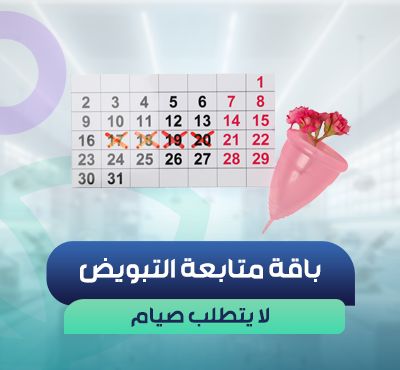
When Is the Progesterone Test Done?
The progesterone test is typically done on day 21 of a regular 28-day cycle, or about 7 days after expected ovulation, since its level peaks shortly after ovulation occurs. In irregular cycles, your doctor determines the best timing.
Does a Rise in Progesterone Confirm Ovulation?
Yes. A rise in progesterone during the mid-luteal phase is a strong indicator that ovulation has occurred, while a low level may suggest ovulation did not happen that cycle.
What Role Does Estrogen Play in the Ovulation Follow-up Package?
Estrogen rises gradually during the first half of the cycle, reaching its peak just before ovulation, and measuring it helps assess follicle development and the body's readiness for ovulation.
Is the Package Linked to Fertility and Delayed Pregnancy Evaluation?
Yes. Tracking ovulation is a core step in evaluating delayed pregnancy, helping your doctor determine whether ovulation is occurring regularly or needs treatment support.
When Should You Consider This Test?
- Delayed pregnancy for more than a year with no clear cause
- Irregular menstrual cycles
- Monitoring response to ovulation-stimulating medication
- Wanting to pinpoint ovulation timing while trying to conceive
Book the Ovulation Follow-up Package Now
A precise hormone panel that helps you and your doctor confirm ovulation and assess your body's readiness for pregnancy.
Book your appointment now or reach out to us on WhatsApp for details.
request this service
subservice.we_will_contact_you